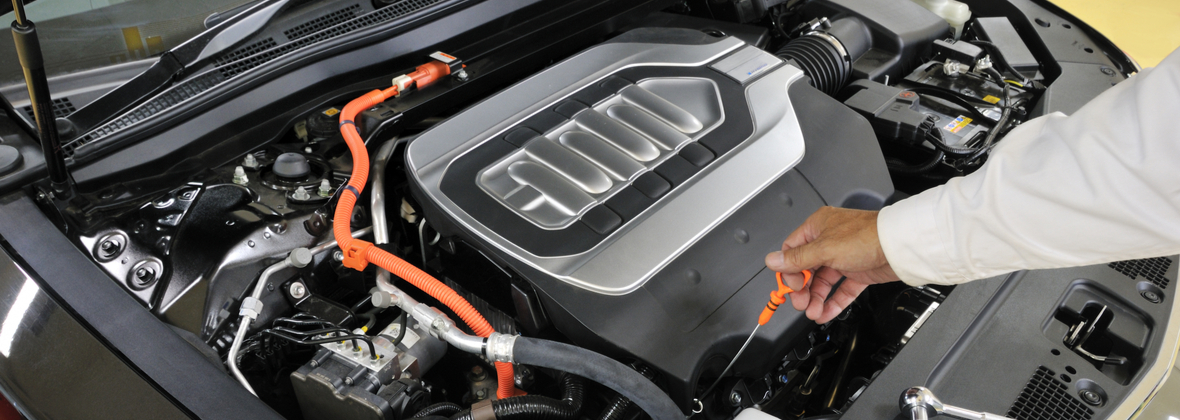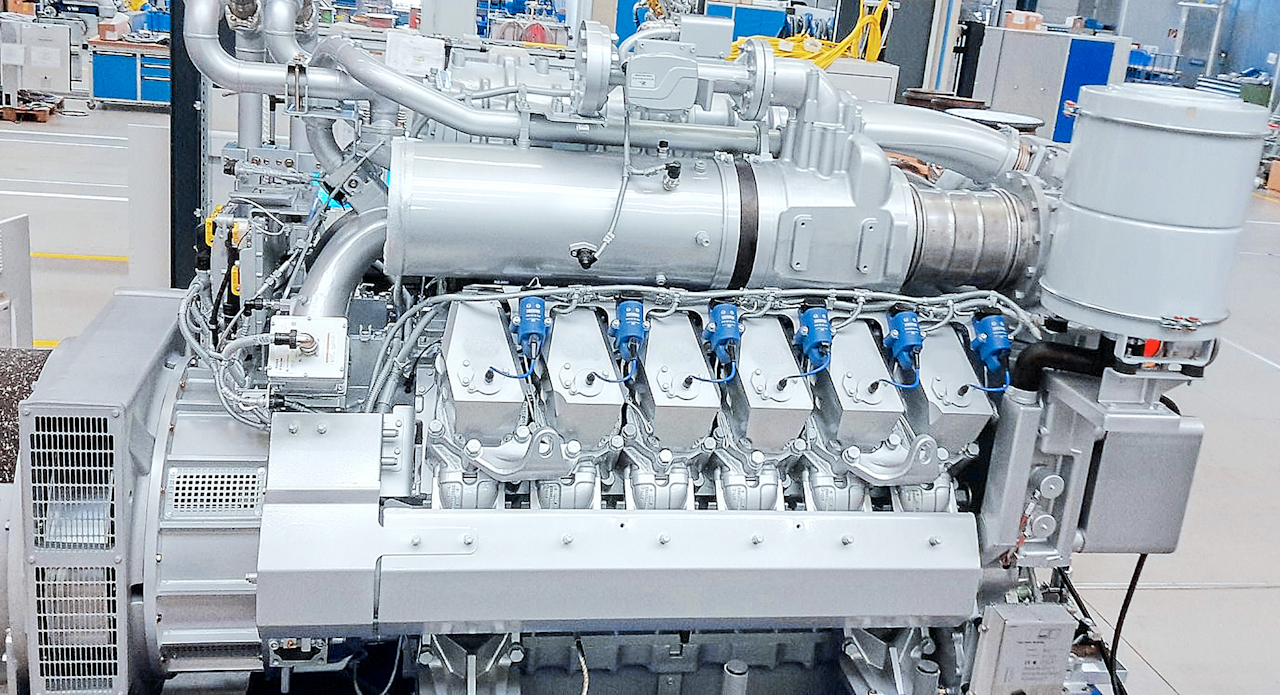
Engine performance is a crucial aspect of any vehicle, determining its efficiency, power, and longevity. Whether it’s a regular commuter car, a high-performance sports car, or an industrial-grade machine, engine performance directly affects fuel economy, emissions, and overall reliability. Websites like attacproject.eu often discuss the latest innovations in automotive technology, emphasizing ways to improve engine output and efficiency. Understanding the various factors influencing engine performance can help vehicle owners make informed decisions regarding maintenance, modifications, and fuel choices.
Table of Contents
Factors Affecting Engine Performance
Several factors influence the overall efficiency and power output of an engine. Here are some of the most critical ones:
1. Air-Fuel Mixture
A proper balance between air and fuel is essential for optimal combustion. Too much fuel (rich mixture) can lead to incomplete combustion, increasing emissions and reducing fuel efficiency. On the other hand, a lean mixture (too much air) can cause knocking, reducing engine longevity.
2. Compression Ratio
The compression ratio of an engine refers to the volume of the combustion chamber from its largest to smallest capacity. A higher compression ratio generally leads to better efficiency and power, but it also requires high-quality fuel to prevent knocking.
3. Turbochargers and Superchargers
Forced induction methods like turbochargers and superchargers improve performance by compressing more air into the combustion chamber. This results in higher power output without increasing engine displacement.
4. Engine Timing and Ignition
Proper ignition timing ensures that the spark plug ignites the air-fuel mixture at the right moment. Advanced timing strategies can enhance power output, whereas poor timing can lead to misfires, reduced efficiency, and engine damage.
5. Exhaust System Efficiency
An efficient exhaust system helps remove waste gases from the engine, allowing it to breathe better and operate smoothly. High-performance exhaust systems, such as free-flow catalytic converters and performance headers, contribute to better engine output.
Enhancing Engine Performance
Improving engine performance requires a combination of maintenance, modifications, and technological enhancements. Below are some effective ways to achieve better results:
1. Regular Maintenance
Routine maintenance, such as oil changes, spark plug replacements, and air filter cleaning, keeps the engine running efficiently. Dirty or worn-out components can reduce performance and increase fuel consumption.
2. Using High-Quality Fuel and Lubricants
Premium fuels and synthetic lubricants enhance combustion efficiency and reduce friction, leading to better mileage and engine durability.
3. Performance Chips and ECU Tuning
Modern vehicles have Electronic Control Units (ECUs) that regulate engine performance. Reprogramming (tuning) the ECU or using performance chips can optimize fuel delivery, ignition timing, and turbo boost levels for increased horsepower and torque.
4. Cold Air Intakes and Performance Air Filters
Installing a cold air intake system allows the engine to receive denser, cooler air, which improves combustion and enhances power output. High-performance air filters also provide better airflow while keeping contaminants out.
5. Weight Reduction and Aerodynamics
Reducing the vehicle’s weight and improving aerodynamics can indirectly enhance engine performance. Lighter vehicles require less power to move, improving acceleration and fuel economy.
Conclusion
Engine performance is influenced by multiple factors, from the air-fuel mixture and compression ratio to turbocharging and ignition timing. By following proper maintenance practices and incorporating performance-enhancing modifications, vehicle owners can significantly improve their engine’s efficiency, power, and longevity. As automotive technology advances, resources like attacproject.eu continue to explore cutting-edge innovations that push engine performance to new heights. Whether for daily commuting or high-speed racing, understanding and optimizing engine performance remains a priority for every automotive enthusiast.