Table of Contents
What is Lean Startup?
Lean Startup is a scientific approach to creating and managing startups, which emphasizes the importance of adapting quickly, learning from real-world feedback, and iterating on products and business models. The methodology is built on the foundation of lean manufacturing principles, focusing on reducing waste (in terms of time, money, and effort) while maximizing customer value.
The key premise of Lean Startup is to focus on building a Minimum Viable Product (MVP) — a basic, early version of the product that can be tested with real customers. The feedback gathered from the MVP is then used to validate assumptions about the business, refine the product, and iterate quickly.
Core Principles of Lean Startup
1. Build-Measure-Learn Feedback Loop
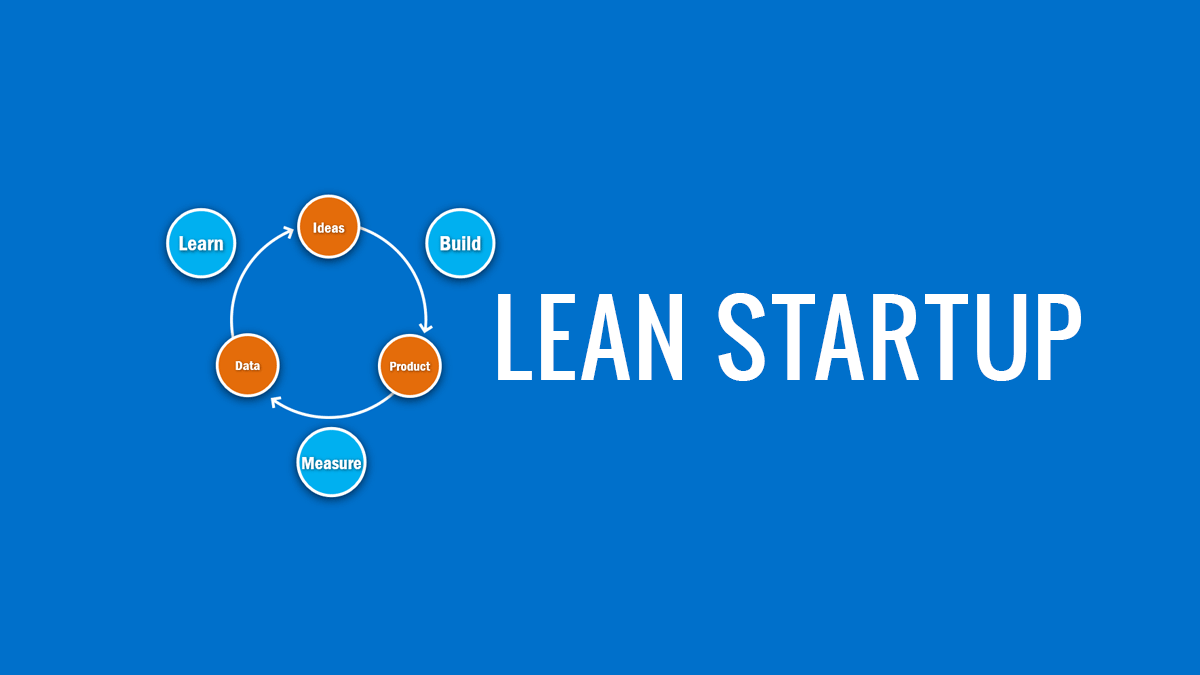
At the heart of the Lean Startup methodology is the Build-Measure-Learn feedback loop. This continuous cycle involves three stages:
-
Build: Start by creating a simple version of the product (the MVP) that includes only the essential features needed to test core hypotheses about the product and business model.
-
Measure: Release the MVP to real customers and measure their behavior. Gather data and feedback to evaluate whether the product is meeting customer needs and solving the right problems.
-
Learn: Analyze the data collected from customers and use it to draw conclusions. Based on these insights, decide whether to pivot (change course) or persevere (keep refining the existing strategy).
This cycle continues iteratively, allowing startups to learn quickly and make data-driven decisions, rather than relying on assumptions or guesswork.
2. Minimum Viable Product (MVP)
A central concept in Lean Startup is the Minimum Viable Product. An MVP is the simplest, most basic version of a product that can be created in the shortest amount of time, with the least resources, while still offering value to the target customers. It allows entrepreneurs to test critical assumptions and gain real-world feedback without investing significant time or money into a fully developed product.
The MVP should not be seen as a “final product,” but rather as a starting point that enables rapid learning and iteration. The goal is not perfection, but validation of key hypotheses related to customer needs, market demand, and product features.
3. Validated Learning
Validated learning refers to the process of gaining real insights about the viability of the product, the market, and the business model. Through continuous experimentation and testing, startups can measure progress based on learning, rather than traditional metrics like revenue or product completion.
Validated learning can involve experiments such as A/B testing, customer interviews, surveys, or analytics to determine whether assumptions about the product, business model, and customer behavior are correct. By constantly testing and refining ideas based on feedback, startups reduce the risk of building a product that customers don’t want or need.
4. Pivot or Persevere
One of the key principles of Lean Startup is the concept of pivoting or persevering. After collecting feedback from the MVP, the startup must decide whether to continue with the current strategy or pivot in a new direction.
-
Pivoting means making a fundamental change to the product or business model in response to feedback and insights. For example, if customers are not responding to a feature as expected, a pivot might involve changing that feature or adjusting the target audience.
-
Persevering means continuing with the current product and strategy, but with adjustments based on what has been learned. If the MVP has validated the core assumptions and the market is receptive, the business continues to refine and improve the product.
The key is to use data and feedback to make informed decisions, rather than persisting with a product that does not meet customer needs.
5. Innovation Accounting
Lean Startup encourages innovation accounting, which is the practice of measuring the progress of a startup based on learning and experimentation. Traditional metrics like revenue or number of users are not enough in the early stages of a startup. Instead, entrepreneurs should focus on metrics that show how well they are learning from customers and validating their hypotheses.
Key metrics include:
- Customer acquisition cost (CAC)
- Lifetime value (LTV)
- Engagement rates (e.g., daily active users)
- Conversion rates (e.g., sign-ups, trial-to-paid conversion)
By focusing on learning milestones rather than traditional business metrics, Lean Startup methodology helps businesses track real progress and ensure they are on the right path.
Lean Startup Process: A Step-by-Step Overview
Here’s a breakdown of the https://roman-business.com/ process and how entrepreneurs can implement it:
1. Ideation and Hypothesis Formation
The first step is to come up with an idea or hypothesis about the problem you want to solve or the product you want to create. Start by asking questions like:
- Who is your target audience?
- What problem are you solving for them?
- What features or solutions might address that problem?
- How will you measure success?
These initial assumptions will drive the creation of the MVP and guide the rest of the process.
2. Develop the Minimum Viable Product (MVP)
Once you have a clear hypothesis, the next step is to create an MVP that represents the simplest version of your product that can provide value to your target customers. The MVP should be built with the fewest features necessary to test your hypotheses and gather feedback.
3. Launch and Collect Feedback
Release the MVP to a small group of real customers or users. Observe their behavior, gather feedback through surveys, interviews, and analytics, and understand how they interact with the product.
4. Measure and Analyze Data
Using the feedback collected, analyze the data to validate or invalidate your hypotheses. Were customers engaging with your product? Were they willing to pay for it? Did they find value in the features you offered?
5. Learn and Decide: Pivot or Persevere
Based on the feedback, decide whether to pivot (make a change to the product, features, or business model) or persevere (continue refining the product and scaling). If the MVP does not meet customer needs or if the data suggests a different approach, it’s time to pivot. If the MVP shows promise, the startup should persevere and continue to iterate on the product.
6. Iterate and Scale
With each iteration, improve and refine the product based on customer feedback. As more features are added, continue testing, learning, and adjusting the product until it achieves product-market fit and the startup is ready to scale.
Benefits of Lean Startup
The Lean Startup methodology offers several benefits that make it an attractive approach for entrepreneurs:
1. Reduced Risk
By focusing on experimentation, feedback, and iterative development, Lean Startup reduces the risk of building products that customers don’t want. Entrepreneurs test assumptions early and make data-driven decisions to minimize costly mistakes.
2. Faster Time to Market
Lean Startup encourages rapid development of MVPs, allowing startups to test and validate their ideas quickly. This leads to faster time to market and helps businesses identify and address potential problems before fully investing in the product.
3. Cost Efficiency
The Lean Startup process minimizes unnecessary expenditure by focusing resources on creating only what is necessary for validation and learning. This allows startups to conserve capital and resources while ensuring they are on the right track.
4. Continuous Improvement
The Lean Startup framework encourages a culture of continuous feedback and improvement. With regular validation and learning from real customers, startups can consistently refine their product, which increases the likelihood of long-term success.
5. Adaptability
Lean Startup embraces change and adaptability. By continuously iterating on the product, startups are better able to pivot when necessary and adjust to shifting customer needs, market conditions, and emerging trends.
How to Implement Lean Startup in Your Organization
To successfully adopt Lean Startup, consider these steps:
- Start with a Hypothesis: Begin by identifying the key assumptions about your product, market, and customers.
- Create an MVP: Build the simplest possible version of your product that can be tested and validated.
- Gather Feedback: Test your MVP with real customers, gather feedback, and measure their engagement.
- Analyze and Learn: Use data to determine whether your assumptions are correct and decide whether to pivot or persevere.
- Iterate and Improve: Refine your product based on customer feedback and continue testing.
Conclusion
The Lean Startup methodology offers a modern, efficient way to create businesses and products. By focusing on validated learning, continuous iteration, and customer feedback, entrepreneurs can reduce risk, avoid waste, and maximize their chances of building successful ventures. Whether you’re launching a startup or managing innovation within an established company, the Lean Startup approach empowers businesses to create products that truly meet customer needs and drive growth.