

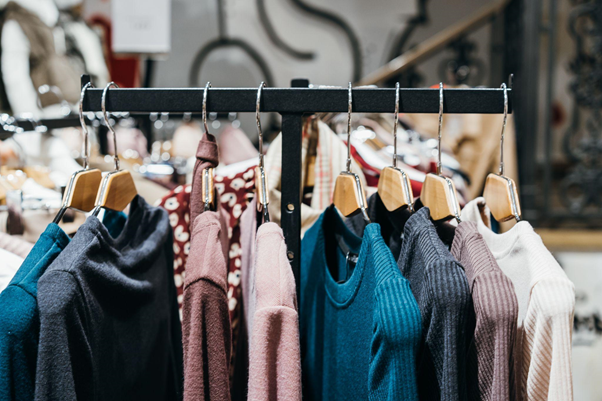
It’s not just the cut of a 90s blazer, the worn softness of denim from another decade, or the whisper of a silk lining that’s seen the inside of a smoky Parisian bar. It’s the story — the sense that a garment has lived a life before yours and still has more to give.
As secondhand becomes first choice for many style-savvy shoppers, the market for vintage clothing has exploded. But not all vintage is created equal. That’s why those in the know are sourcing from one very specific place: Italian Vintage Wholesale.
Table of Contents
The Global Vintage Boom (And the Quiet Shift Beneath It)
We’ve all seen the rise of vintage reselling. From the curated racks of London’s Shoreditch to the algorithm-driven feeds of Depop and TikTok, vintage has become less of a subculture and more of a lifestyle choice — one that intersects sustainability, personal expression, and resistance to fast fashion.
But behind the aesthetic lies a logistical truth: demand is outpacing supply. Not just for any secondhand item, but for good vintage. The kind that doesn’t smell like a warehouse. The kind that tells a story without screaming “thrift store clearance.”
Retailers and resellers face a new challenge: how to keep up, stay authentic, and still turn a profit.
The answer? Go to the source. And for true vintage aficionados, the source is — and has always been — Italy.
Why Italy? Because History is in the Fabric
Italy isn’t just a country that makes fashion — it lives it.
For decades, Italians have prized quality over quantity. Even everyday garments — sweaters, workwear, dresses from the 70s and 80s — were crafted with care, often in family-owned factories that no longer exist. The result is a treasure trove of wearable history just waiting to be rediscovered.
And this isn’t just about Versace, Armani, or Gucci. This is about the real clothes people wore: utilitarian, elegant, expressive. Italian vintage represents not only style, but an ethos — one of craft, continuity, and individuality.
When these garments are sourced well, cleaned, and re-curated, they don’t just fill a store. They transform it.
A New Kind of Retail is Emerging — and Vintage is Its Cornerstone
Around the world, small retailers are rejecting the sameness of mass production. They’re creating intimate spaces — both online and offline — that celebrate uniqueness. Stores that feel more like art galleries. Instagram accounts that double as mood boards. Vintage is no longer “secondhand” — it’s first choice for those who want fashion with depth.
These retailers need more than bulk. They need pieces with presence. That’s why sourcing is everything.
That’s also why the most forward-thinking resellers are turning to companies that get it — suppliers that respect the clothes, the history, and the end customer.
Vintage Isn’t Going Anywhere — It’s Becoming the Standard
We’re past the point of calling vintage a “trend.” It’s the foundation of a cultural shift — a quiet rebellion against disposable culture. It’s also a solid business model when built on real quality.
As more consumers demand sustainability and individuality, retailers who understand the emotional power of vintage — and who source the right way — will be the ones who thrive.
So if you’re looking to be more than just a seller of clothes…
If you want to curate stories, build a loyal audience, and become part of fashion’s ongoing conversation…
Start with the pieces that already have something to say.
Start with italianvintagewholesale.com.


