Table of Contents
What is Market Research?
Market research is the process of collecting, analyzing, and interpreting data about a market, including information about the target audience, customers, competitors, and the overall industry. It helps businesses understand market needs, identify potential opportunities, and evaluate the effectiveness of their strategies. Essentially, market research provides insights that guide decision-making and help businesses align their goals with market realities.
Why is Market Research Important?
Market research offers numerous benefits to businesses, making it an essential part of any strategic planning process:
-
Understanding Consumer Needs and Preferences: By gathering data on what your customers want, businesses can create products or services that better meet their needs, increasing the likelihood of customer satisfaction and loyalty.
-
Identifying Market Trends: office-oneplus.com helps companies stay ahead of changing industry trends, enabling them to adapt and innovate before competitors do.
-
Assessing Competition: Understanding the strengths and weaknesses of competitors allows businesses to identify opportunities for differentiation and improve their positioning in the market.
-
Reducing Risks: Launching new products or services can be risky. Market research provides insights into the potential success of new ventures, reducing the likelihood of costly mistakes.
-
Optimizing Marketing Strategies: With accurate data, businesses can craft more effective marketing campaigns, improving targeting, messaging, and overall return on investment (ROI).
-
Improving Customer Satisfaction: By understanding the needs and preferences of customers, businesses can enhance their offerings, leading to improved customer satisfaction and retention.
Types of Market Research
Market research can be divided into two primary categories: primary research and secondary research.
Primary Research
Primary research involves gathering new, firsthand data directly from potential or current customers. This type of research is tailored to your specific business needs and often includes the following methods:
-
Surveys and Questionnaires: Surveys are one of the most common methods of primary research. They involve asking targeted questions to gather quantitative data, which can be used to understand customer preferences, satisfaction, and purchasing behavior.
-
Focus Groups: Focus groups involve a small group of participants discussing specific topics or products. This method helps businesses gather qualitative insights and understand customer attitudes, opinions, and perceptions.
-
Interviews: One-on-one interviews provide deep insights into customer experiences, needs, and challenges. This approach is particularly useful for gaining detailed feedback from key stakeholders or niche market segments.
-
Observation: Observational research involves watching customers interact with products or services, either in a physical setting or online. This provides insights into how people behave in real-life situations.
Secondary Research
Secondary research involves gathering existing data from external sources, such as government reports, industry studies, and market intelligence reports. This type of research is cost-effective and less time-consuming, as it involves analyzing data that has already been collected. Common sources include:
-
Publicly Available Reports: These can be found through government websites, industry organizations, or research institutions.
-
Competitor Analysis: Studying competitors’ websites, product offerings, and marketing strategies can provide valuable insights into market gaps and potential opportunities.
-
Social Media and Online Reviews: Platforms like social media and review sites offer a wealth of customer opinions, feedback, and trends that can inform business decisions.
-
Industry Journals and Publications: Many industries have publications that track trends, news, and statistics. These can provide insights into the competitive landscape and emerging market shifts.
Key Steps in Conducting Market Research
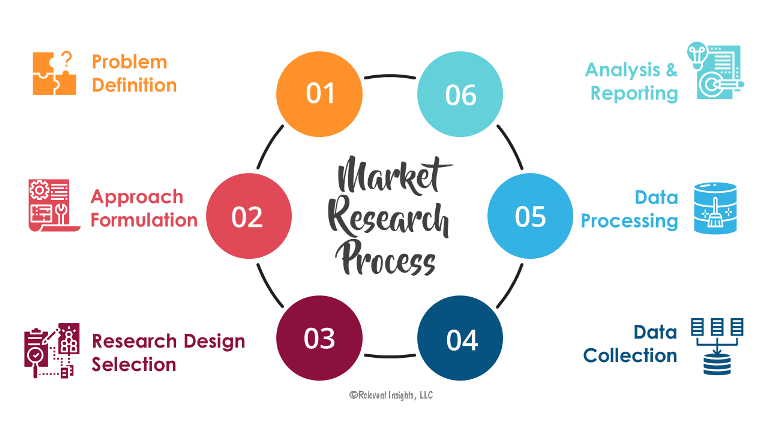
To ensure that market research is effective and yields actionable insights, follow these key steps:
1. Define the Problem or Objective
Clearly define the problem or opportunity you are researching. Are you trying to understand consumer behavior? Do you want to assess the market potential of a new product? Establishing a clear objective will help guide the entire research process.
2. Determine the Research Method
Decide whether primary or secondary research will provide the most relevant and accurate data for your needs. Consider your budget, timeline, and the level of detail required for your research.
3. Identify Your Target Audience
Understanding who you need to survey or analyze is critical. Are you targeting current customers, potential customers, or competitors? Identifying the right audience ensures you gather relevant data.
4. Collect the Data
Use the chosen research methods to collect data. Whether conducting surveys, interviews, or analyzing existing reports, ensure that your data collection process is consistent and unbiased.
5. Analyze the Data
Once the data is collected, analyze it to uncover trends, patterns, and insights. Use statistical tools and software to draw meaningful conclusions from the data.
6. Interpret the Results
Turn the raw data into actionable insights that can inform business decisions. Identify key findings, such as customer preferences, market gaps, and areas for improvement.
7. Make Informed Decisions
Utilize the insights gained from the research to guide your business strategies. Whether it’s refining your marketing plan, optimizing your product offerings, or entering new markets, data-driven decisions are more likely to lead to success.
Tools and Resources for Market Research
Several tools and resources can help businesses conduct efficient market research:
-
Survey Tools: Platforms like SurveyMonkey and Google Forms make it easy to create and distribute surveys to gather customer feedback.
-
Social Listening Tools: Tools like Hootsuite and Brandwatch allow businesses to monitor social media conversations, identify trends, and understand consumer sentiment.
-
Google Trends: This free tool helps businesses track popular search terms and trends in real-time, offering insights into what customers are interested in.
-
Industry Reports: Many organizations, such as Statista, Nielsen, and IBISWorld, offer paid reports that provide in-depth analysis of various industries.
-
Competitive Analysis Tools: Platforms like SEMrush and SpyFu allow businesses to track competitor activity, analyze their keywords, and identify market opportunities.
Challenges in Market Research
While market research is invaluable, there are challenges that businesses may face:
-
Data Overload: Too much data can be overwhelming. It’s important to focus on the most relevant insights and avoid drowning in unnecessary information.
-
Sampling Issues: A poorly chosen sample can lead to inaccurate results. Ensure that your research sample represents the broader population for valid findings.
-
Budget Constraints: Comprehensive market research can be costly. To mitigate this, businesses can rely on secondary research or use free or low-cost tools to gather insights.
-
Changing Market Conditions: Markets are constantly evolving, and research can become outdated quickly. Regular research is required to keep up with changing trends.
Conclusion
Market research is a powerful tool that can provide businesses with valuable insights into customer preferences, market trends, and competitive positioning. By leveraging both primary and secondary research methods, businesses can make informed decisions that enhance their marketing efforts, product development, and overall strategy. Ultimately, investing in market research can help reduce risks, seize opportunities, and stay ahead of the competition in a constantly evolving marketplace.